Navigating HOA Guidelines: How to Choose Compliant Fencing Solutions Feb 23, 2026
Understanding HOA Guidelines
Before selecting any fencing option, it’s crucial to thoroughly understand your HOA’s specific guidelines. HOAs enforce rules designed to maintain the community’s visual harmony and property values. These rules often dictate the permissible materials, heights, and styles for fencing installations. Neglecting these guidelines can result in fines or being required to alter non-compliant fences.
Getting Started: Review and Research
Start by reviewing the documentation provided by your HOA, which should outline all the rules regarding fencing. Pay close attention to any specifications about colors, materials, and placement. If you find the guidelines vague or open to interpretation, reach out to your HOA board for clarification. This proactive approach can save you from future headaches.
Prioritize Material and Style Compliance
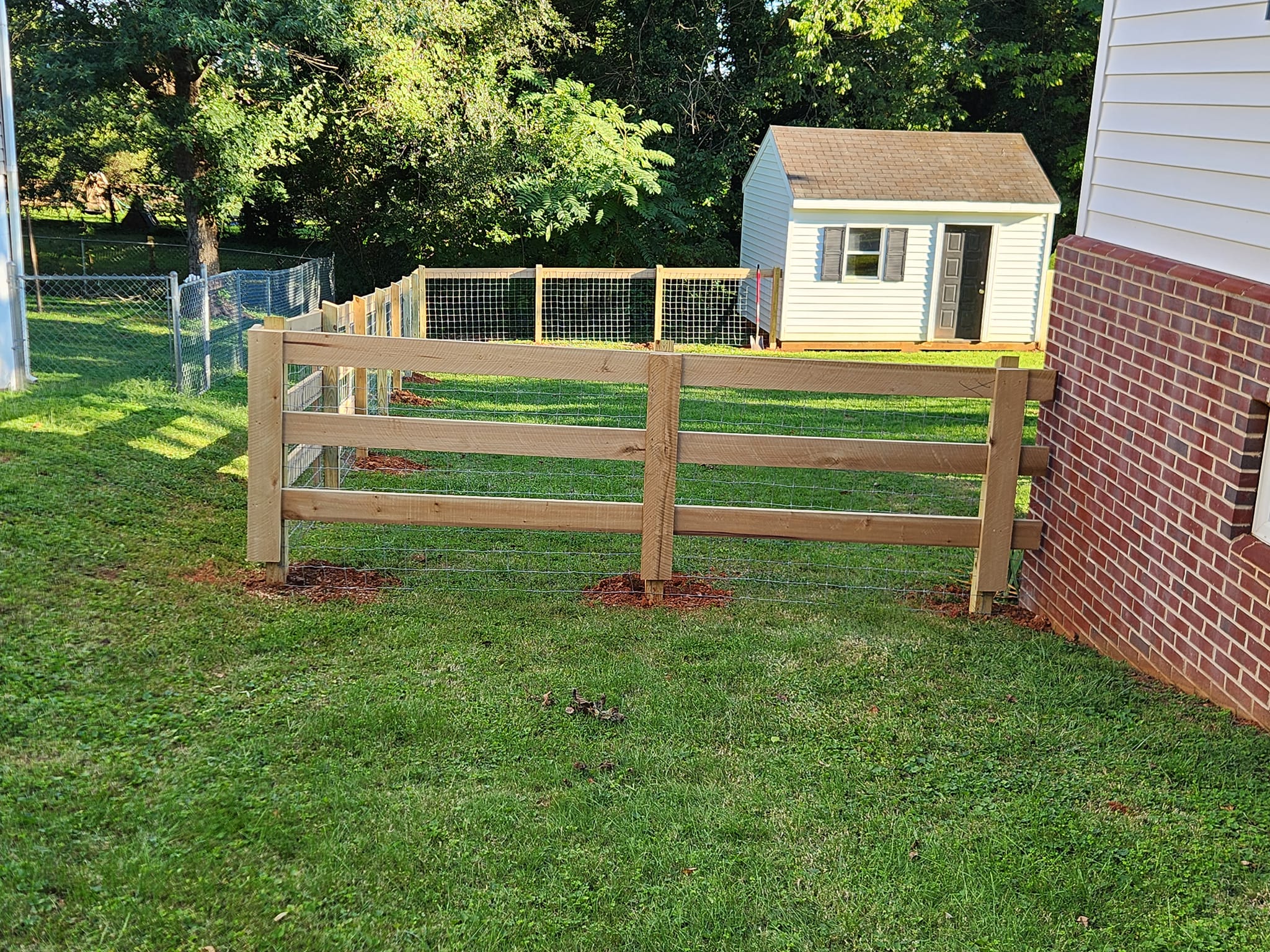
When choosing fencing materials and styles, prioritize those that are explicitly acceptable under your HOA guidelines. Commonly compliant materials include wood, vinyl, wrought iron, and aluminum. Each has its own benefits and maintenance requirements. For instance, wood offers classic beauty and can often be painted to match community colors, while vinyl provides durability with little maintenance.
Wrought iron is an elegant choice for many upscale communities, offering both strength and aesthetic appeal. Aluminum, on the other hand, is lightweight and rust-resistant, making it an excellent choice for humid climates. Ensure the style matches or complements existing neighborhood fences, contributing to the community’s cohesive look.
Optimal Height and Placement
Fencing height is another aspect heavily regulated by HOAs. Typically, guidelines will state maximum heights for both front and rear yard fences. Front fences often need to be shorter to maintain openness, while backyard fences can be taller for privacy. Be sure to adhere to these height requirements to avoid running afoul of HOA rules.
Placement is equally critical. Many HOAs have stipulations regarding boundary lines and shared fencing responsibilities with neighbors. Consulting with a professional fencing service company, like Landrum Property Solutions LLC, can provide an advantage as we can assess your property, ensuring compliance and optimal placement to enhance your home’s privacy and curb appeal.
Involve Your HOA Early
Engage with your HOA early in your decision-making process. Submit your proposed fence plans for approval before purchasing any materials or beginning construction. This can prevent potential conflicts and ensure you are fully compliant. Transparency and communication with the HOA can facilitate a smoother approval process.
Conclusion: Compliance with Aesthetic Satisfaction
Choosing a compliant fencing solution with Landrum Property Solutions LLC doesn’t mean sacrificing style or functionality. By carefully reviewing HOA guidelines, selecting appropriate materials and styles, and engaging with your association early, you can achieve a harmonious blend of compliance and aesthetic satisfaction that enhances your property and community standing. Trust the experts to help you navigate these guidelines smoothly, ensuring a hassle-free experience that reflects your taste and adheres to your community’s standards. Together, let’s enhance your property with compliant, stylish fencing solutions.
/filters:no_upscale()/filters:format(webp)/media/d333cedb-60b3-4185-8b9a-8266f97a9888.jpeg)
/filters:no_upscale()/filters:format(webp)/media/73e94da4-aec0-4576-8e1b-3836aaf31929.jpeg)