Weathering the Storm: Designing Fences for Climatic Resilience Feb 27, 2026
Understanding your local climate is the first step in designing a resilient fence. Whether you are facing high winds, heavy rainfall, or intense sunlight, different climates present unique challenges. In coastal areas, for instance, salt air and high winds can wreak havoc on traditional fencing materials. In contrast, arid regions might pose threats like sun bleaching or drying and cracking of materials. By acknowledging these factors, you can choose materials and designs that cater specifically to your environment's demands.
Material selection is one of the most critical aspects when it comes to fence durability. Wood is a traditional favorite, but unless treated, it may not stand up to harsh weather. Instead, consider more resilient options such as vinyl, aluminum, or composite materials. Vinyl offers the charm of wood minus the susceptibility to rot and insect damage. Aluminum is lightweight yet robust, making it an excellent choice for areas that experience high winds. Composite materials blend the aesthetics of wood with the resilience of modern technology, often offering superior strength and longevity.
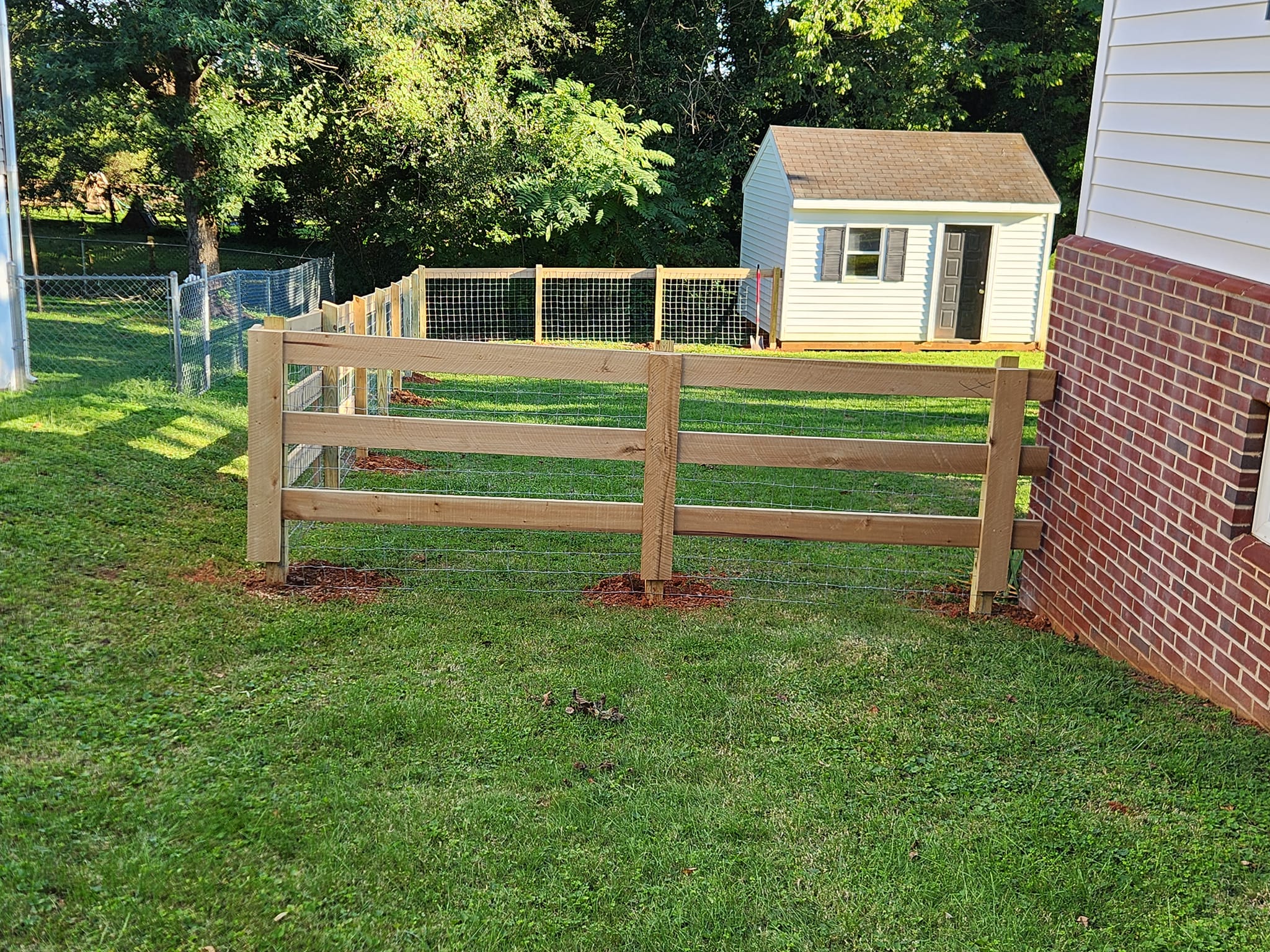
Design plays a pivotal role in your fence's ability to withstand various climatic conditions. For wind-prone areas, consider installing fences with gaps between the slats. This design allows wind to pass through rather than pushing against a solid structure, reducing the risk of the fence toppling over. Posts should be set deep enough to counterbalance the wind's force, typically at least one-third of their height. For flooded areas, elevating the fence slightly can prevent water damage while still maintaining a sense of privacy.
Maintenance is another critical component in ensuring your fence stands the test of time. Regular inspections for damage, such as rot in wood or rust in metal, can prevent minor issues from becoming significant problems. Applying protective coatings or sealants can provide an extra layer of defense against moisture and UV rays. In addition, trimming vegetation away from your fence can prevent moisture buildup and potential damage.
Finally, consulting with fence professionals can offer invaluable insights tailored to your specific needs. At Landrum Property Solutions LLC, our expert team is committed to helping you design and install fences that are both beautiful and resilient. We take pride in providing customized solutions that factor in local weather patterns, ensuring your investment is protected against the elements.
In conclusion, designing a fence with climatic resilience involves a careful balance of material selection, thoughtful design, regular maintenance, and expert consultation. Every region presents its own set of challenges, but with proper planning and execution, your fence can provide lasting security, privacy, and beauty. Trust Landrum Property Solutions LLC to guide you through every step, ensuring that your fence not only survives but thrives in any weather.
/filters:no_upscale()/filters:format(webp)/media/d333cedb-60b3-4185-8b9a-8266f97a9888.jpeg)
/filters:no_upscale()/filters:format(webp)/media/73e94da4-aec0-4576-8e1b-3836aaf31929.jpeg)